High-Profile & Media-Sensitive Matters
Discreet, strategic representation for high-profile and media-sensitive criminal matters in Houston.
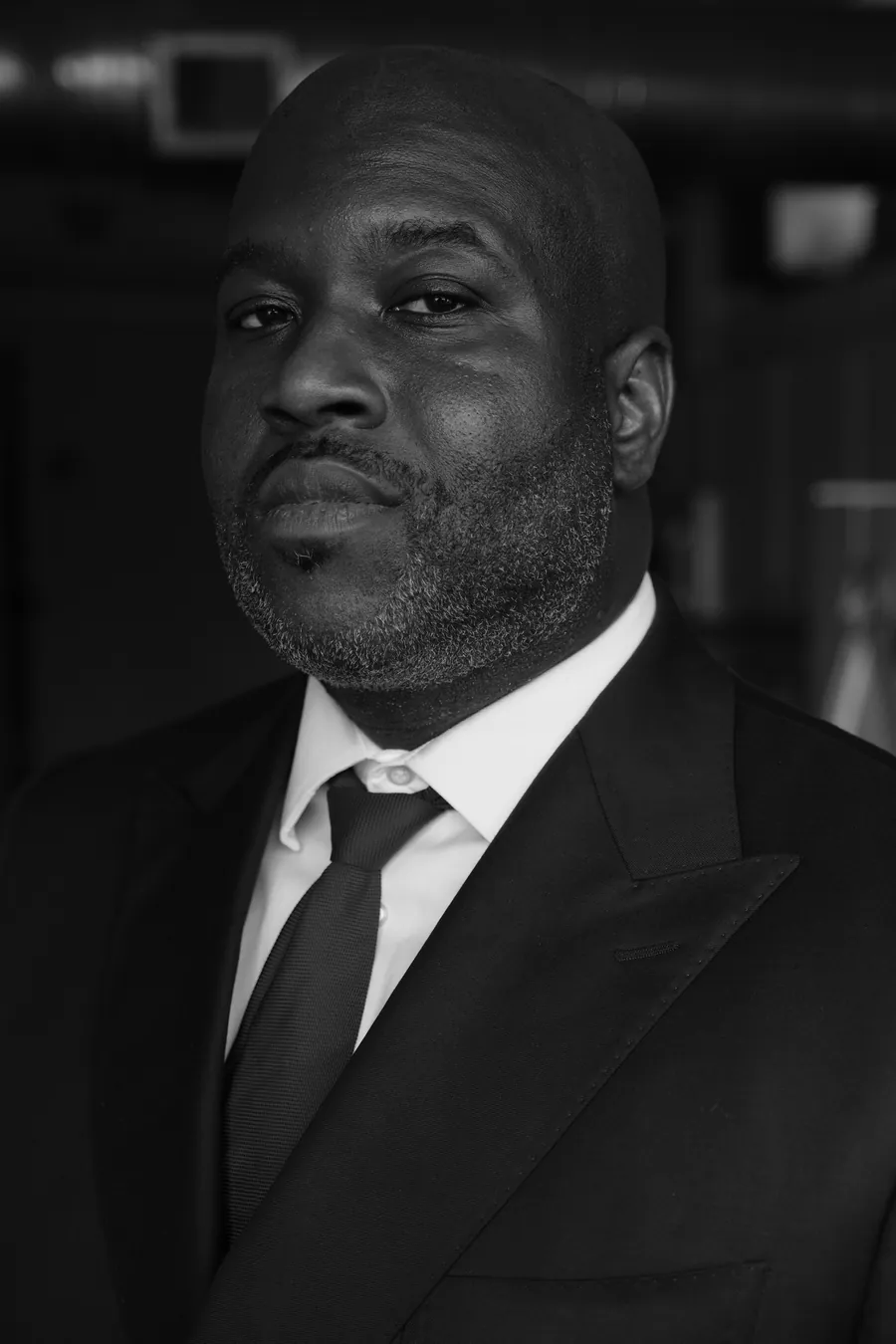
Some cases carry an audience. A public role, a well-known employer, a community position, or simply the nature of the allegation can put a matter in front of reporters, cameras, and public commentary long before it reaches a courtroom. When that happens, the legal defense and the public exposure have to be managed as one problem, not two.
Two Different Rooms, Two Different Rules
A criminal case is decided in a courtroom, under rules of evidence, by a judge or jury bound to consider only what is properly admitted. Public opinion is shaped in an entirely different room: one with no rules of evidence, no burden of proof, and no obligation to wait for the facts.
Confusing the two is one of the most common and costly mistakes in a media-sensitive matter. Statements made to reporters, on social media, or even informally to colleagues do not stay in the "public opinion" room. They can be quoted, subpoenaed, and used in the courtroom later. The reverse is also true: a well-run courtroom defense does not automatically control what is said outside it.
Effective representation treats these as related but separate fronts, each requiring its own discipline.
A Controlled-Communications Approach
For clients whose matters may attract attention, this office works from a small number of firm principles:
- No statement is made without coordination. Before any comment, interview, or written statement is provided to media, it is evaluated for its effect on the legal case, not just its effect on public perception.
- Silence is a strategy, not a default failure. "No comment" is often the right answer, but it is a decision made deliberately, with the client, not a reflexive dodge.
- One voice, consistently. Mixed or informal statements from family members, colleagues, or the client outside of the agreed approach can undercut a carefully built defense. Part of this office's role is helping a client's circle understand why restraint matters.
- Protecting family from unnecessary exposure. Spouses, children, and parents are rarely party to the case, but they are frequently the ones reporters approach when a principal is unavailable. Anticipating that, and preparing for it, is part of the plan from the outset.
Media Experience That Informs This Work
This approach is not theoretical. C. Patrick Ngwolo has direct, extensive experience navigating national and local media as a public figure under scrutiny, including coverage by the Associated Press, The New York Times, ABC News, Democracy Now!, WBUR/NPR's Here & Now, and other national and regional outlets, in addition to local Houston case coverage by KHOU and KPRC2/Click2Houston. See the full Media & Press page for the complete, dated record.
That experience is not offered here as a list of past client matters. It reflects composure under sustained media scrutiny, an understanding of how reporters work and what they need, and a track record of engaging with national press without losing control of the underlying message. For a client facing media attention around a pending criminal matter, that is a different and more directly useful kind of experience than courtroom credentials alone.
Public matters that are not part of this office's approved case-result disclosures are not referenced here or elsewhere on this site. This site does not describe or imply outcomes for any matter not listed on the Selected Results page.
What This Looks Like in Practice
- A pre-decided communications posture, agreed with the client, before any media contact occurs, not improvised after the first call from a reporter.
- Direct handling or coordination of reporter inquiries, so the client is not fielding press questions personally under pressure.
- Alignment between courtroom strategy and any public-facing statement, so nothing said publicly creates a problem inside the case.
- Ongoing reassessment as a case moves through pretrial, hearings, and, if necessary, trial, since media attention and legal posture both shift over time.
Every case is different. Past results do not guarantee future outcomes.
Frequently Asked Questions
A reporter already contacted me. What should I do?
Do not respond on your own. Let your attorney know immediately, and route any further contact through counsel until a communications approach is agreed.
Is "no comment" always the right response?
Not always, but it is frequently the safest default until a deliberate strategy is set. The right answer depends on the case, the audience, and the timing. It should be a decision, not a reflex.
Can my family be contacted by the press?
Yes, this happens often, particularly when a principal is unavailable. Part of preparing for a media-sensitive matter is helping family members understand why declining comment protects the case, and giving them a simple, consistent response if approached.
Will my case be discussed publicly by this office?
No. This site references only the matters listed on the Selected Results page, each with client-appropriate, nonconfidential detail. Ongoing or unlisted matters are not discussed publicly.
Does media attention affect how a case is handled legally?
It can affect timing, venue considerations, and communications strategy, but it does not change the legal standards that apply in the courtroom. The two tracks are managed together, but the courtroom remains governed by its own rules.
Start a Confidential Case Review
If your matter carries public or media exposure, the earlier a controlled communications plan is in place, the better protected your position. Begin a confidential intake or call (713) 225-5151. Calls are answered 24/7.
When the stakes are this high, the first decision matters.
A strategic, trial-ready defense starts with a direct, confidential conversation.
Contacting our office does not create an attorney-client relationship. Please avoid sending sensitive case details until a conflict check is complete.